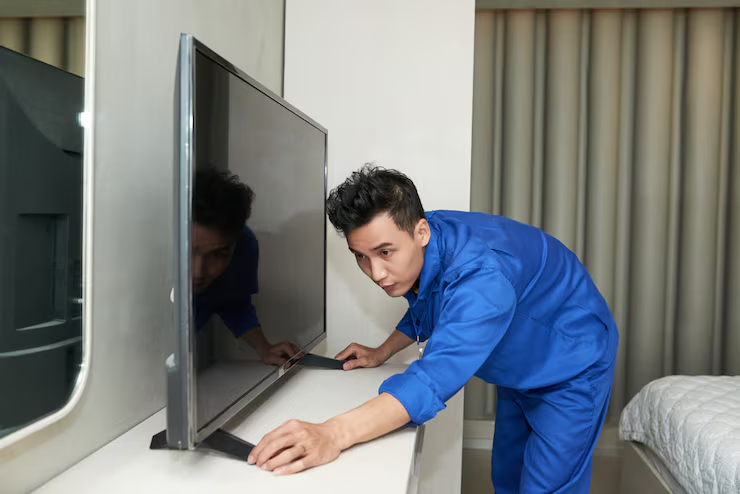
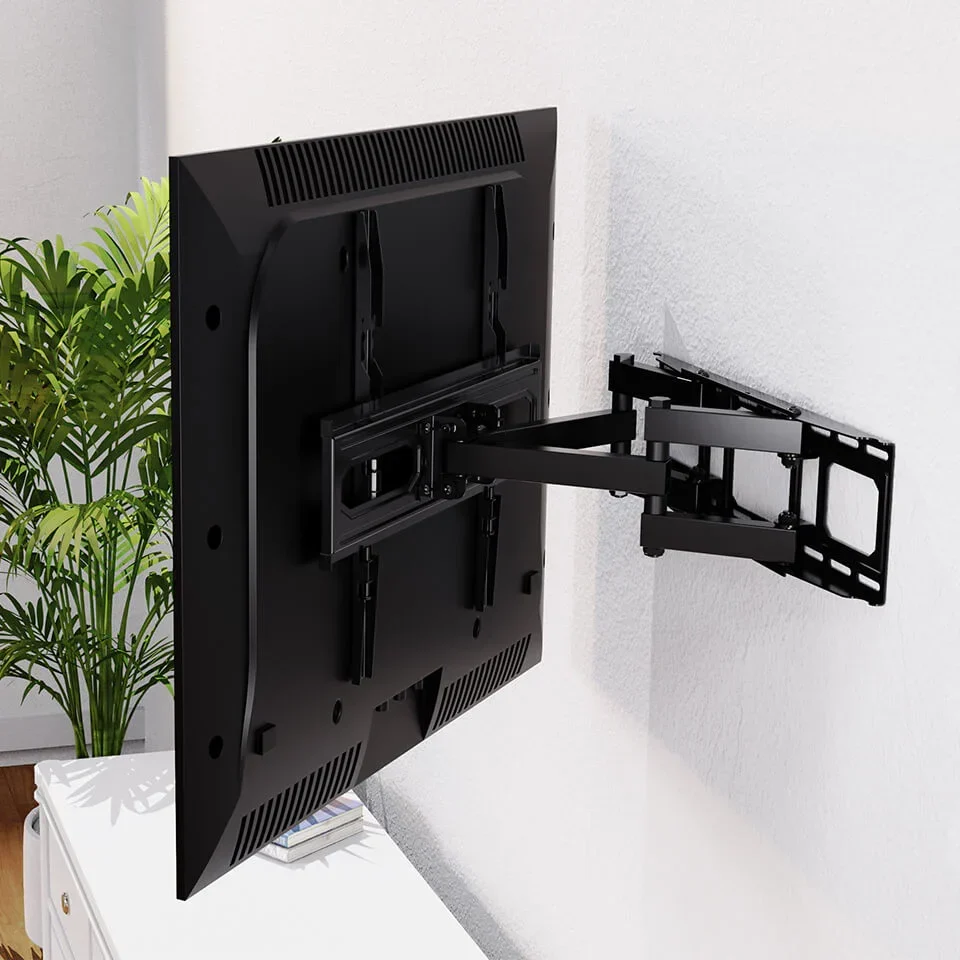
Choosing the mount
Fixed, tilting, or full-motion? Match the bracket to your room, your wall, and where you sit.
Read the guideFree TV mounting knowledge base
Clear, independent guidance on how TV wall mounting really works — from picking the right bracket to reading your wall and hiding the cables. No sales pitch, no checkout. Just the knowledge you need before you drill.
Why this site exists
Most TV-mounting guidance is buried inside product pages or booking forms. We wanted a calm, neutral place to simply understand the job — what the choices are, why they matter, and where the real risks hide.
Everything here is written for someone doing this for the first time, and it is completely free. When you are ready to buy a mount or hire an installer, we point you to reputable options rather than selling you anything ourselves.
More about usWhat a good install looks like
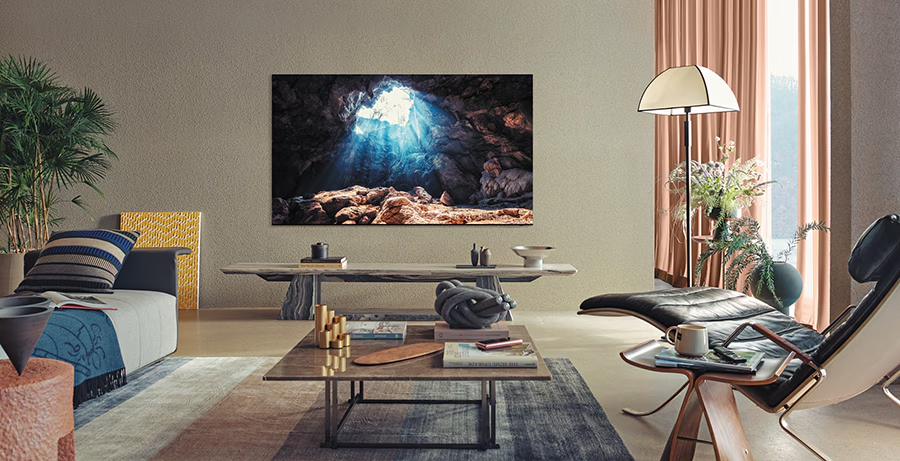
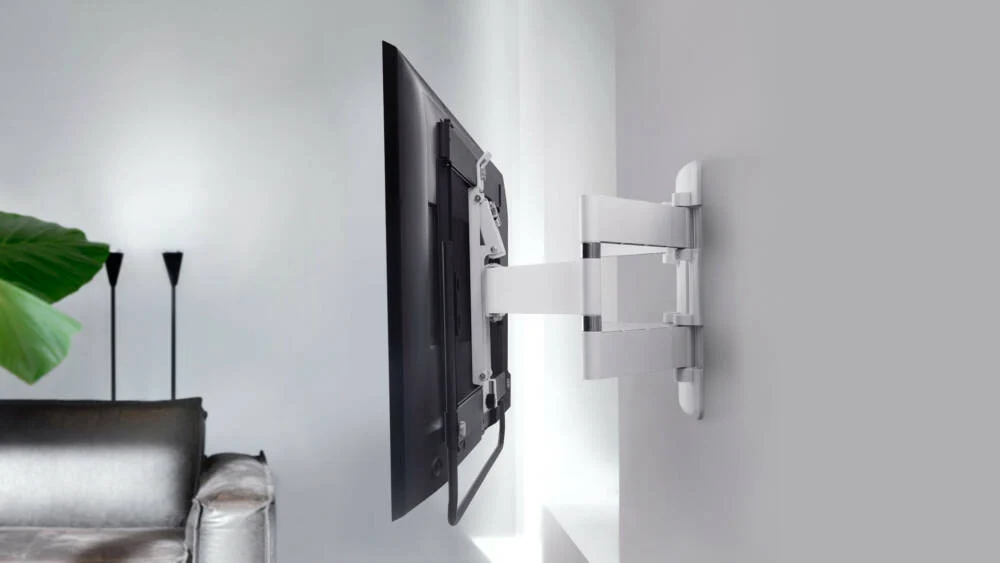
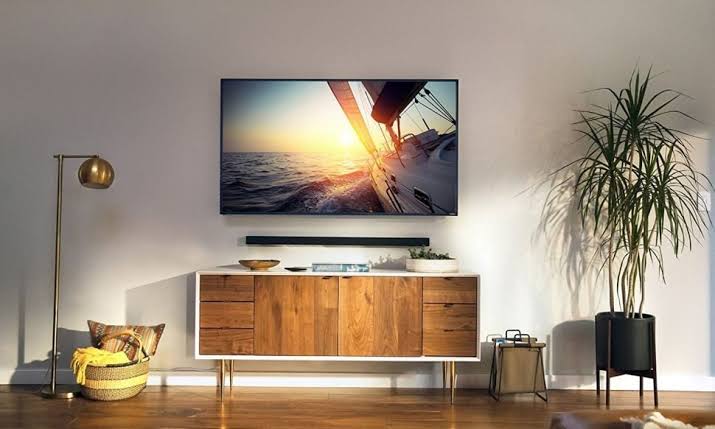
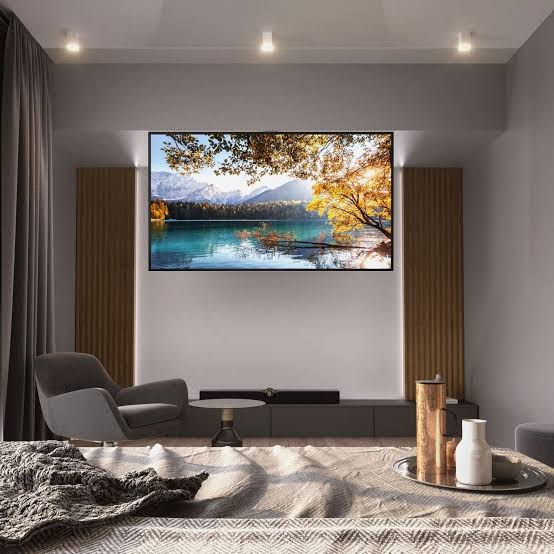
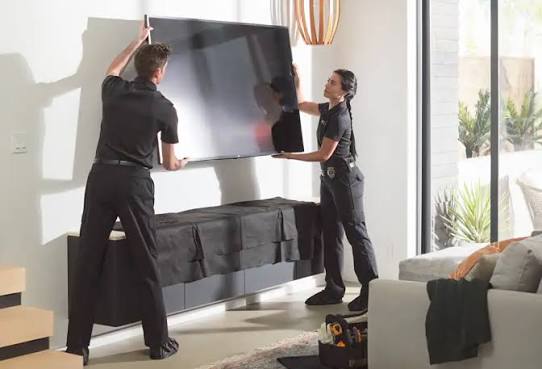
A well-mounted TV disappears into the room. These are the kinds of results careful planning makes possible.
Our approach
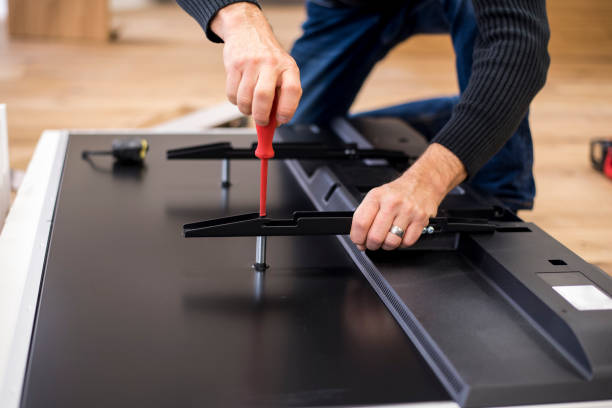
VESA pattern, screen weight, and viewing height — the numbers that decide everything come first, before any hole.
Studs, masonry, or plasterboard each need different fixings. We help you tell them apart and choose correctly.
We are honest about when a job is better left to a qualified professional — no pressure to go it alone.
Start with a topic
Each topic links into the full guides, where every step is explained.
Fixed, tilting, or full-motion? Match the bracket to your room, your wall, and where you sit.
Read the guideWhat is behind the surface decides which fixings are safe. Get this wrong and the TV comes down.
Read the guideSet a height that feels right from the sofa, then route the cables so the finish looks clean.
Read the guideCommon questions
A hollow plasterboard wall on its own is not designed to carry a television. The load must reach the timber or metal studs behind it, or solid masonry. Specialist plasterboard anchors exist for very light loads, but for any normal TV you should fix into the structure, not the board.
Aim to put the centre of the screen on your eye line when you are seated in your usual spot. In a typical living room that places the screen centre around 105–115 cm from the floor. Mounting higher almost always means a tilting bracket to angle the picture back toward you.
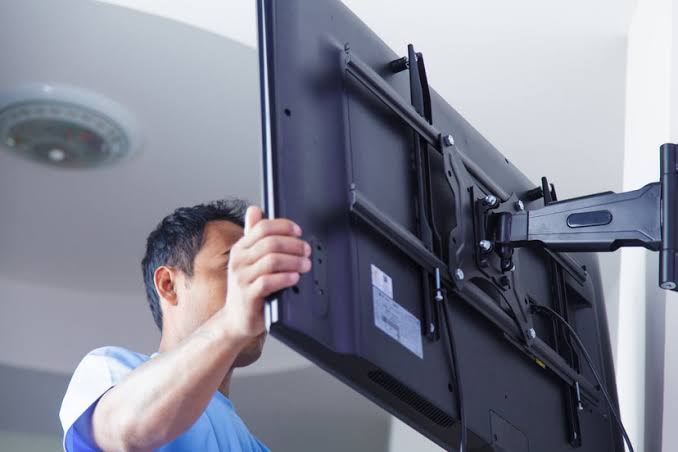
VESA is the standard spacing of the four threaded holes on the back of your TV, measured in millimetres — 200×200 or 400×400, for example. Your bracket must list a VESA range that includes your screen so the arms line up with the holes.
Learn at your own pace
Everything here is free to read and written for first-timers. Start with the guides, then run through the safety basics before you pick up a drill.